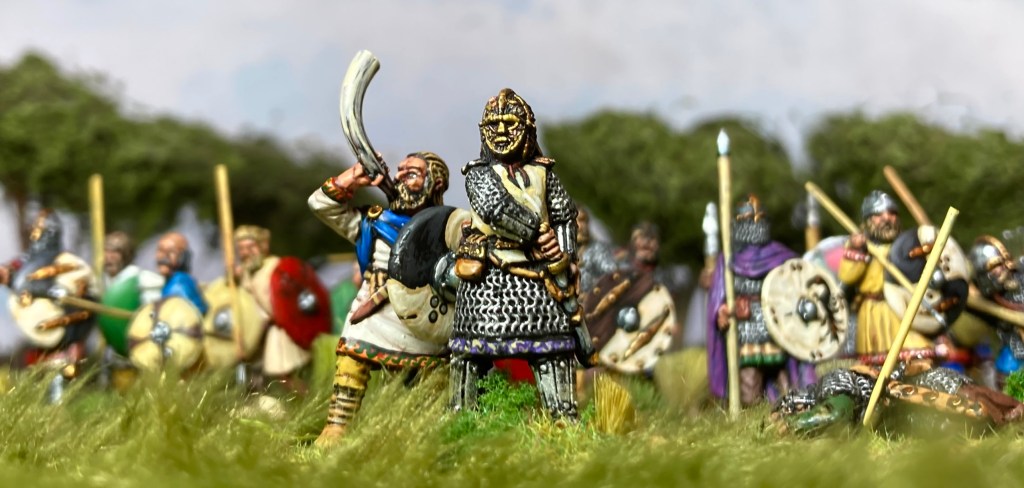
Hi! Thanks for having a look at mogsymakes.net. This article was specifically written as a resource to support our Anglo-Saxon wargames on display at Sutton Hoo on the 30th July 2023 as part of the National Trust’s Festival of Archaeology.
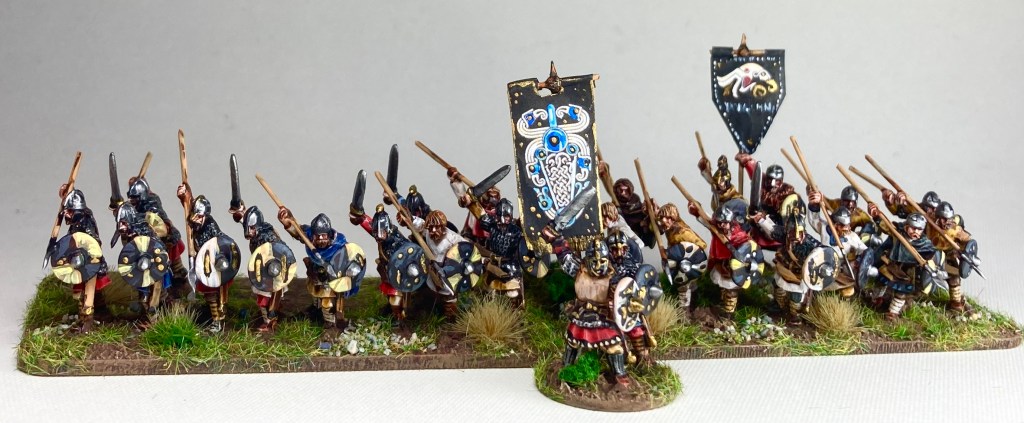
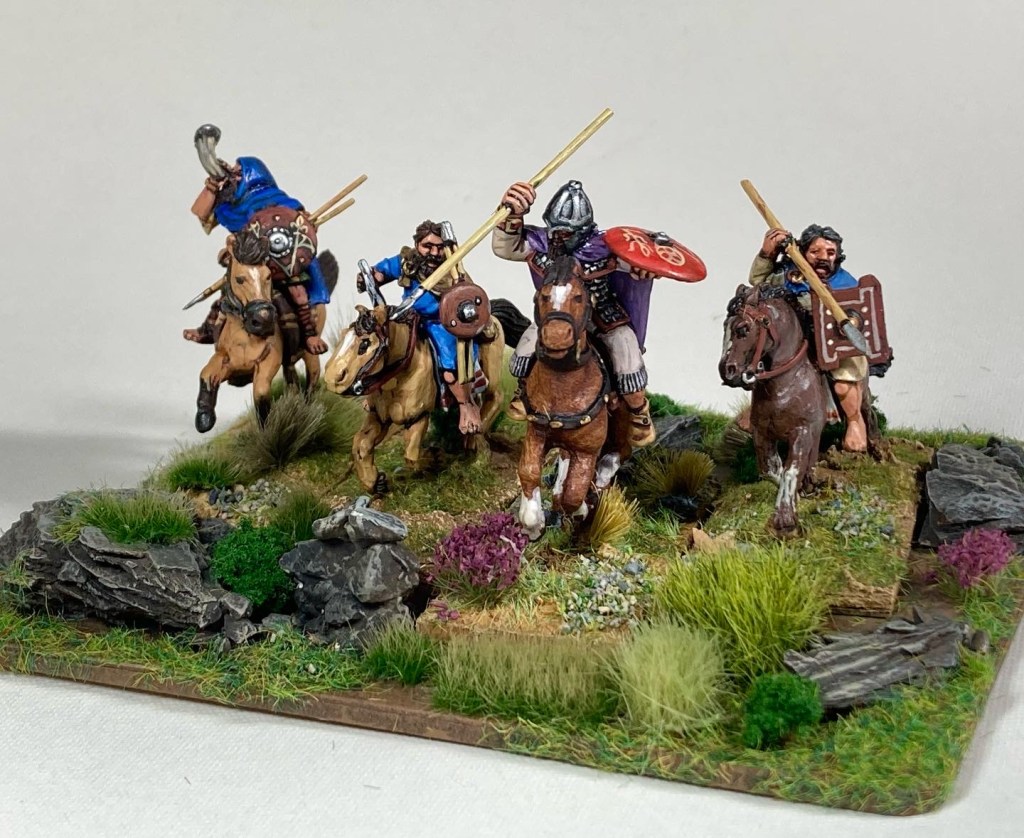
The Early Medieval (‘Dark Ages’) period has a great deal to recommend it as a setting for miniature wargames. Not only is there a wealth of models available in all scales and sizes, but the relatively slow pace of clothing and weapons development means that figures can be used across a period of several hundred years without being too anachronistic. Although there were many small changes of style – mostly visible with elite warriors who would have had the latest armour and weapons – a miniature Saxon with a spear and round shield can happily serve in Raedwald’s warband at the Battle of the River Idle in 616 and in Harold’s shield wall at Hastings in 1066.

The period stretches from the withdrawal of the Roman legions from Britain in the early 5th Century through the creation of the early English kingdoms, the Viking invasions and up to 1066 (‘the Year of Three Battles’) offering a wide variety of actions to recreate in miniature.

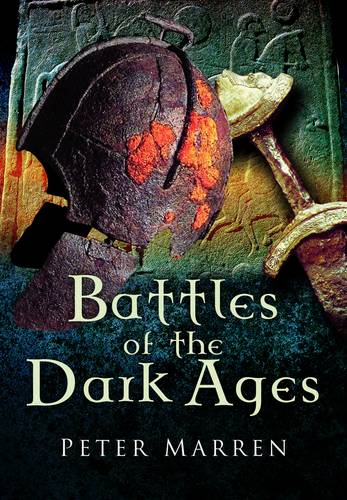
The label ‘Dark Ages’ is not particularly helpful, as there are many written and archaeological records which have been pieced together by historians to create suggested narratives. Marc Morris’s The Anglo Saxons gives a very readable introduction to the the period. Peter Marren’s Battles of the Dark Ages is an enthusiastic battle tour of many Early Medieval conflicts including maps and his own speculation, making it a good starting point for potential wargamers.
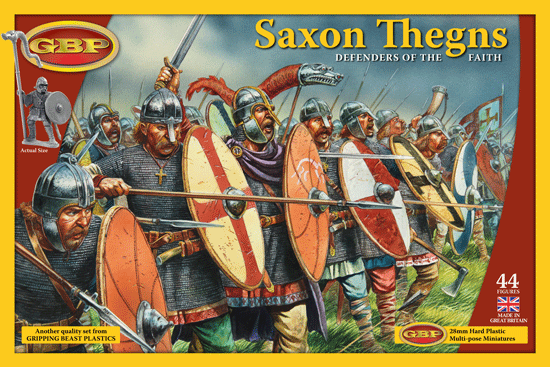
Miniatures-wise, there has never been a greater selection of models on the market. 28mm tall figures have become a standard size, offering the opportunity for detailed painting and massed battle lines. Most historical miniatures are a fraction of the price of market leader Games Workshop’s models. Hard plastic multi-part kits are the most accessible and affordable, with extensive Early Medieval ranges from Gripping Beast and Victrix (you can also buy individual sprues of these on eBay if you just want to dabble with a few miniatures rather than a full set). There are also numerous options in metal from too many companies to list! A good starting point is the North Star Military Figures website – a wholesaler and manufacturer with thousands of models available to mail order.
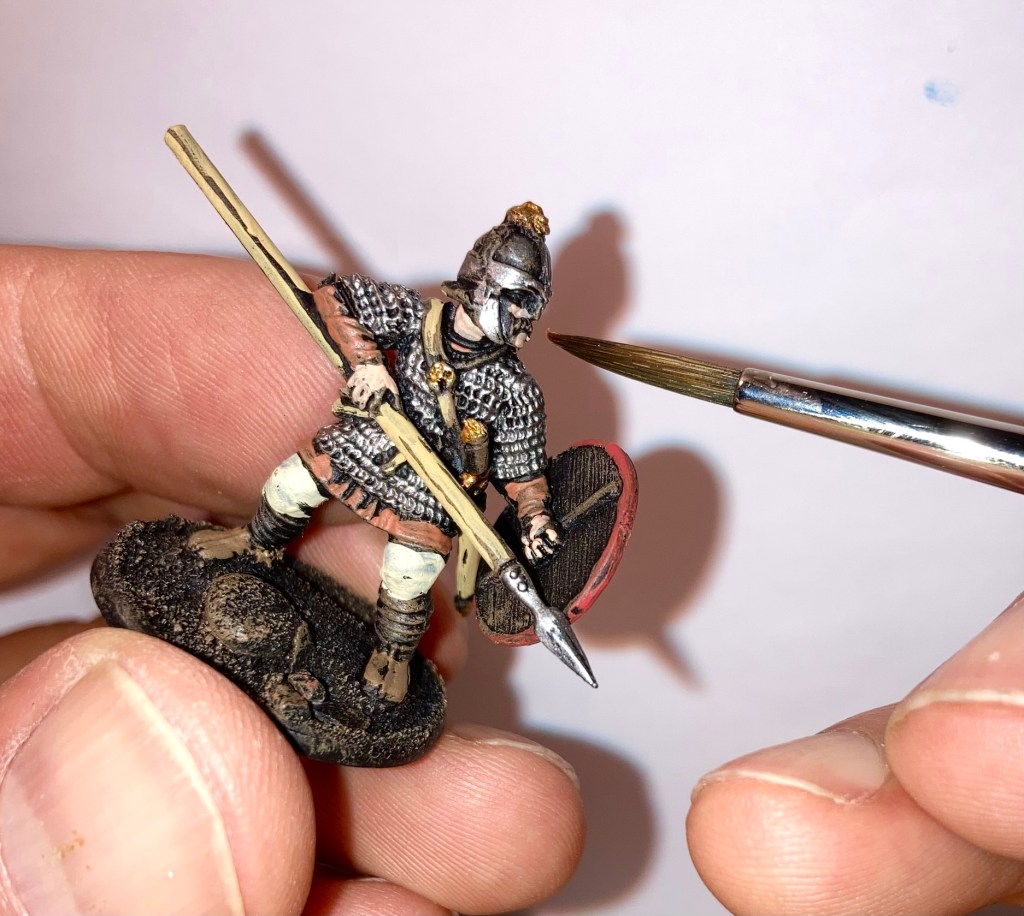
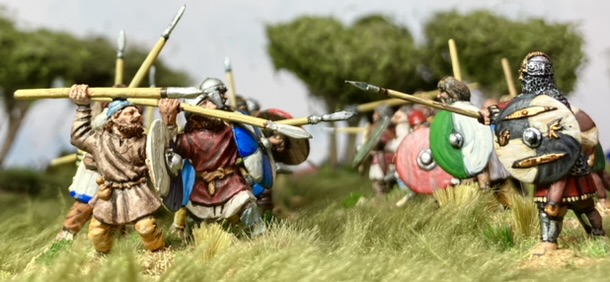
Smaller models than 28mm are also readily available and can be more affordable, take up less space and allow bigger battles to be played. Several companies such as Emhar and HaT make 1/72 scale soft plastic soldiers. A huge range of 15mm/ 18mm tall metal miniatures is available through historical manufacturers, including Wiglaf Miniatures and Forged in Battle whose models are on display in our Battle of Degsastan game.

10mm and 6mm tall figures are also available from companies such as Kallistra and Baccus, providing a very easy opportunity to play massed battles.
There are currently three main magazines covering miniature wargaming, all of which feature Early Medieval articles from time to time and are a great starting point if you’re getting into the hobby:
Wargames Soldiers and Strategy (Issue 125 features Guy Halsall’s article on The Battle of Degsastan in 603 and Issue 135 features my article on wargaming The Battle of the River Idle 616).
Wargames Illustrated (Issue 406 features Dan Mersey’s article on The Battle of the River Idle in 616)

Other useful resources include the Facebook group Wargaming in the Dark Ages and the Lead Adventure Forum which are both full of helpful gamers.
The diversity of historical wargaming is wonderful but can also be confusing, as there are so many sets of rules out there. These can range from very simple to highly detailed! Here are a few of the options:
Ravenfeast is an introductory set of skirmish rules, so you can play a game with just a few models. It’s available free to download.
Lion Rampant (Osprey Publishing) is a very popular book by Daniel Mersey, allowing you to play large skirmishes involving 50-80 more models a side. The system is easy to pick up and quick to play. Despite the artwork, the current edition includes the Early Medieval period.
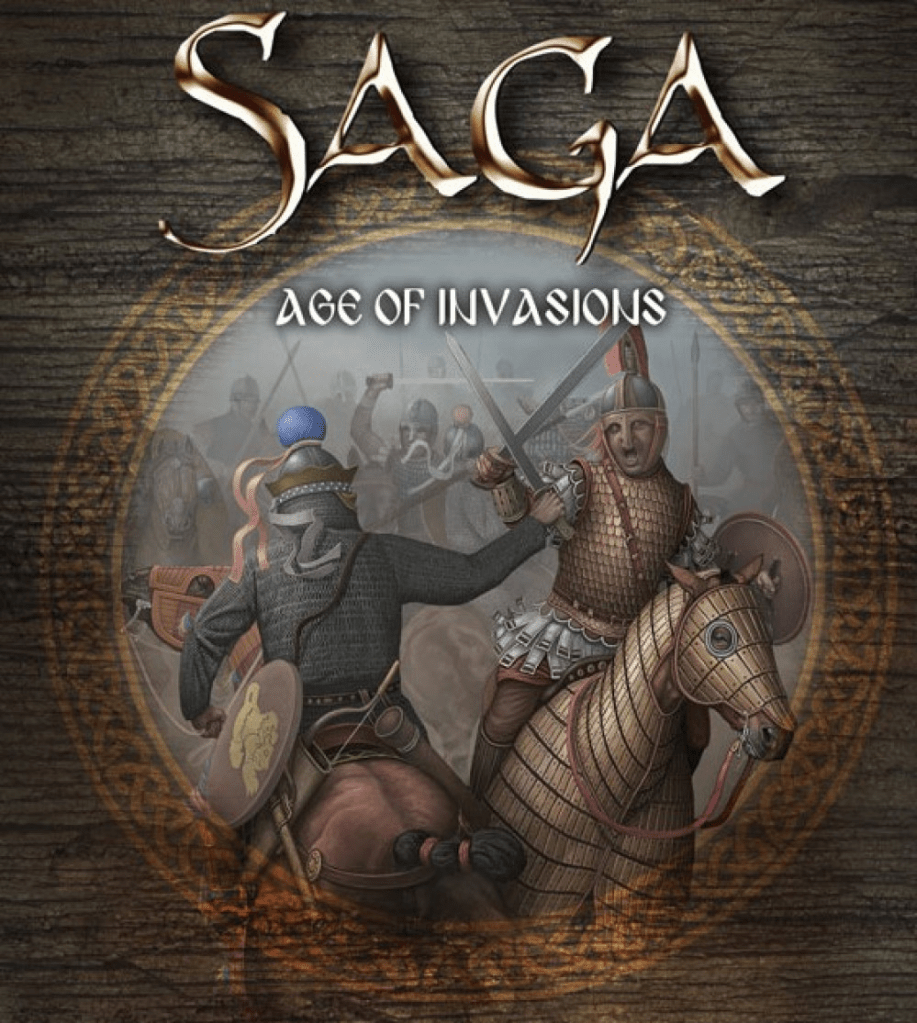
Saga is one of the most popular ‘Dark Ages’ games on the market. Using highly-stylised mechanisms and custom dice, games feature around 40-50 models a side. It has a variety of supplements and a strong player base across the world, including tournaments.
Hail Caesar is a big-battle game from Nottingham-based Warlord Games, written by ex-Games Workshop veteran Rick Priestley. Specific supplements cover different eras of history.
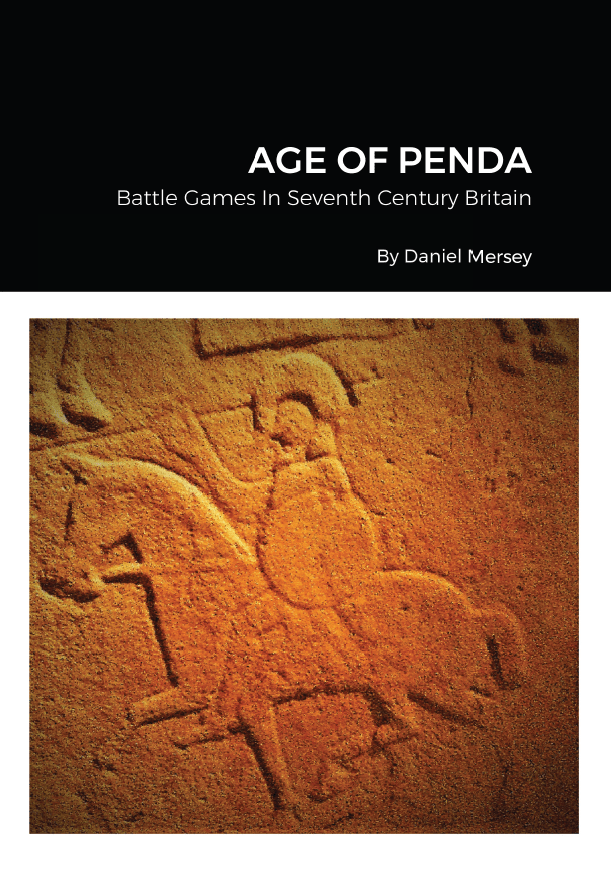
Age of Penda is an excellent introductory battle game from Daniel Mersey to support his range of Wiglaf Miniatures. Using boardgame mechanisms, it allows a game to be played in half an hour.
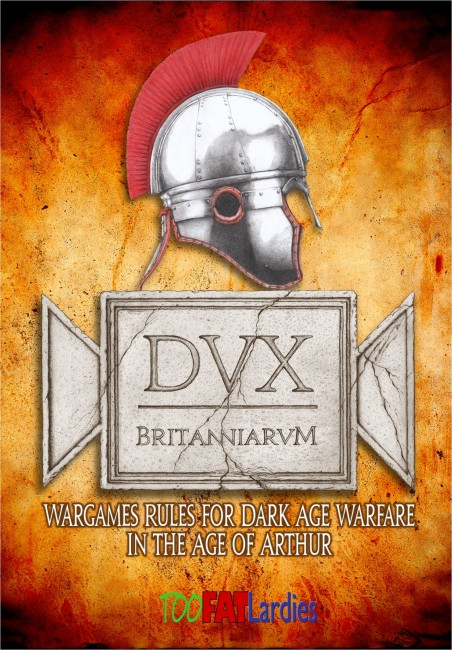
Dux Brittaniarum is a campaign-based game set during the ‘Arthurian’ age from Too Fat Lardies (as demonstrated at the Sutton Hoo event), where you build a warband to carve out your own kingdom.
As well as these, I’ve penned a very simple set of battle rules called Mead-Price that we’re using at the Sutton Hoo event and which is available below as a 2-page download.
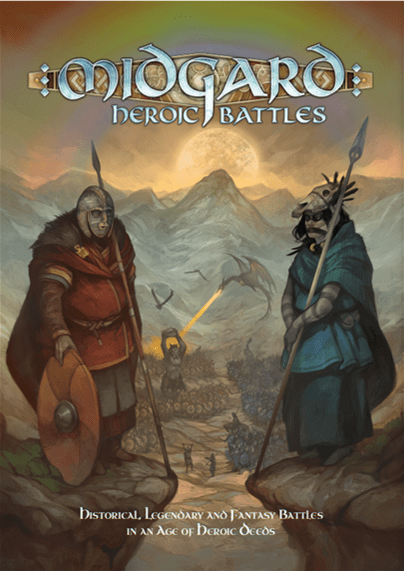
If you like the style of these, you may want to have a look at my own Midgard Heroic Battles, a more detailed narrative battle game available from Ressiwitz Press. While Midgard covers a full spectrum from historical through to fantasy, its focus on heroic leadership makes it ideal for the Early Middle Ages.
I hope that this has been useful and inspired you to dip your toe into the 7th Century! If you have further questions, please feel free to get in touch via the blog or social media @mogsymakes.
 mogsymakes